UNIT 2: ROADWAY SAFETY
page 15 of 29Speed Management
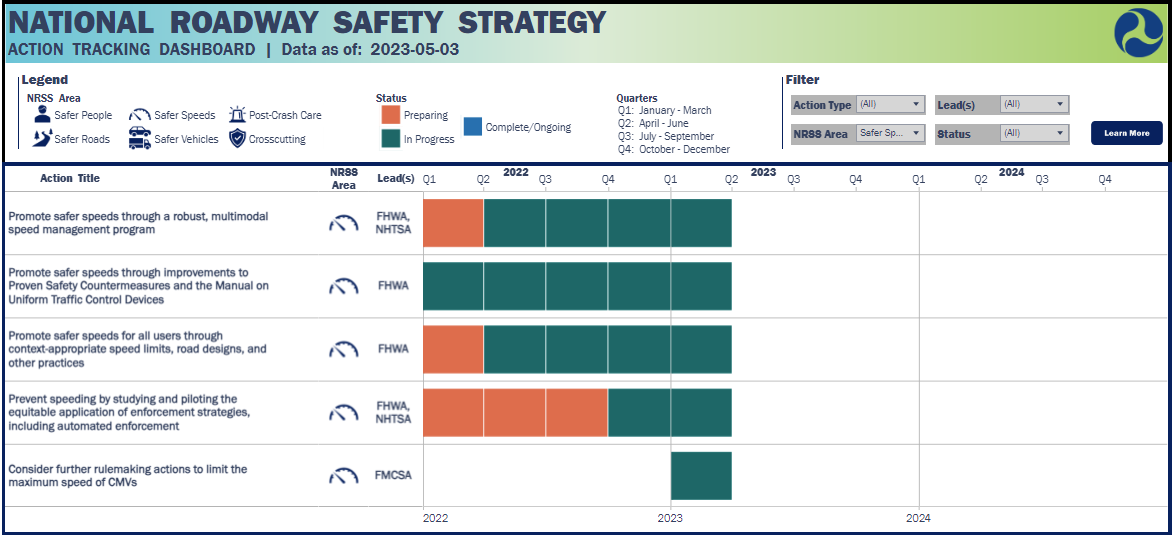
 Speeding - traveling too fast for conditions or exceeding the posted speed limits - is a contributing factor in 26 percent of all fatalities. In 2020, there were 38,824 fatalities on our Nation's roadways, of which 11,258 were speeding-related - increased by 17 percent from the previous year. Speeding is a safety concern on all roads and for all road users. Although much of the public concern about speeding has been focused on high-speed Interstates, only 14 percent (1,344) occurred on interstate highways, rural and urban combined, while 86 percent of speeding-related fatalities occurred on non-interstate roadways. Speeding is a complex issue involving engineering, driving behavior, education, and enforcement. FHWA is the lead agency accountable for the engineering actions.
• Self-Enforcing Roadways: A Guidance Report.
• Noteworthy Speed Management Practices.
• Jurisdiction Speed Management Action Plan Development Package.
• Traffic Calming ePrimer.
Roadway design and other infrastructure factors play a significant role in managing speeds and can deter excessive speeding behaviors from occurring in the first place.
Key Departmental Actions to Enable Safer Speeds
Post-Crash Care
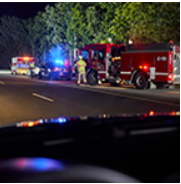 Enhance the survivability of crashes through expedient access to emergency medical care, while creating a safe working environment for vital first responders and preventing secondary crashes through robust traffic incident management practices.
Our ability to save lives does not end when a crash occurs. Appropriate medical care for people injured in a crash to prevent their injuries from becoming fatal is critical.
The timely arrival of emergency responders and well-trained Emergency Medical Services (EMS) clinicians is a major factor ensuring an injured person receives the medical care they need to survive a crash. This is especially critical in rural and Tribal communities, where response times are longer and EMS resources more limited.
Access to Emergency and Trauma Care Is Critical to the Survivability of Crashes
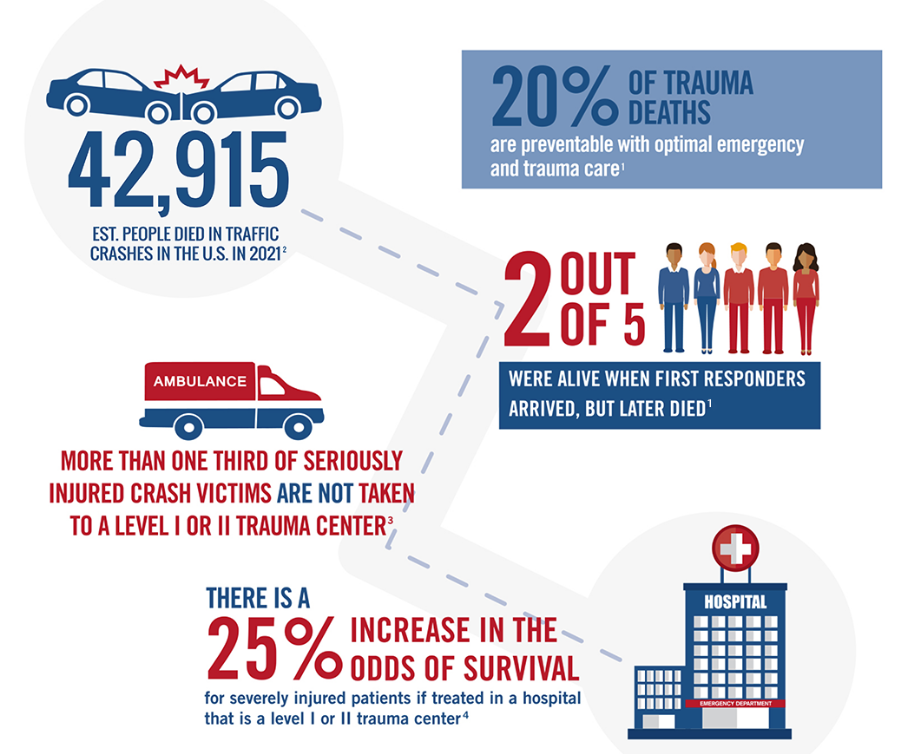
Through the NRSS, the Department is committed to supporting activities that improve post-crash care. Managing the scene of a crash and providing a safe environment for first responders and passing travelers are also critical elements of delivering effective post-crash care.
Sources:
National Roadway Safety – U.S Department of Transportation
National Roadway Safety – U.S Department of Transportation